SimpleLab Guide to Choosing the Right Soil Test
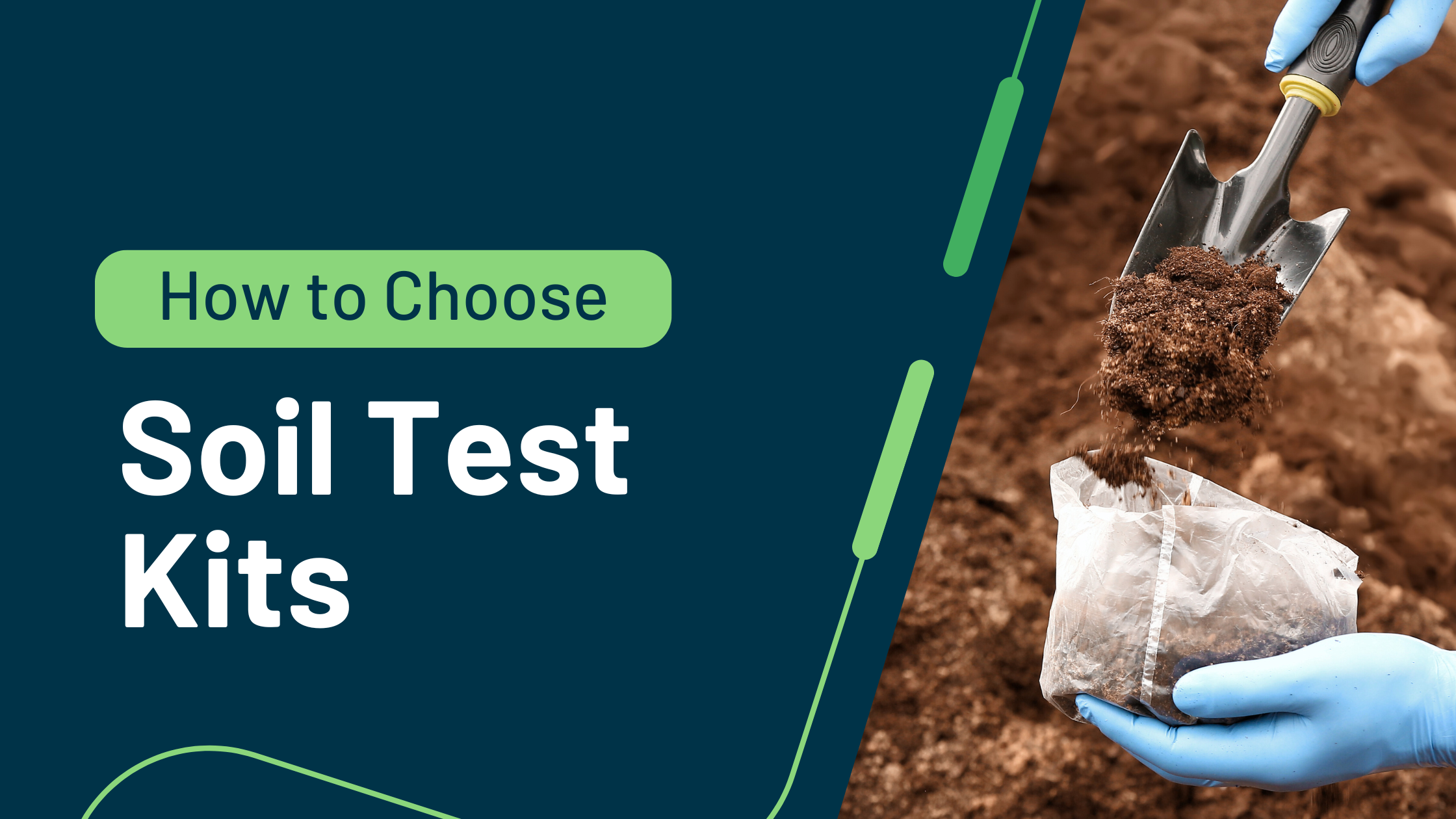
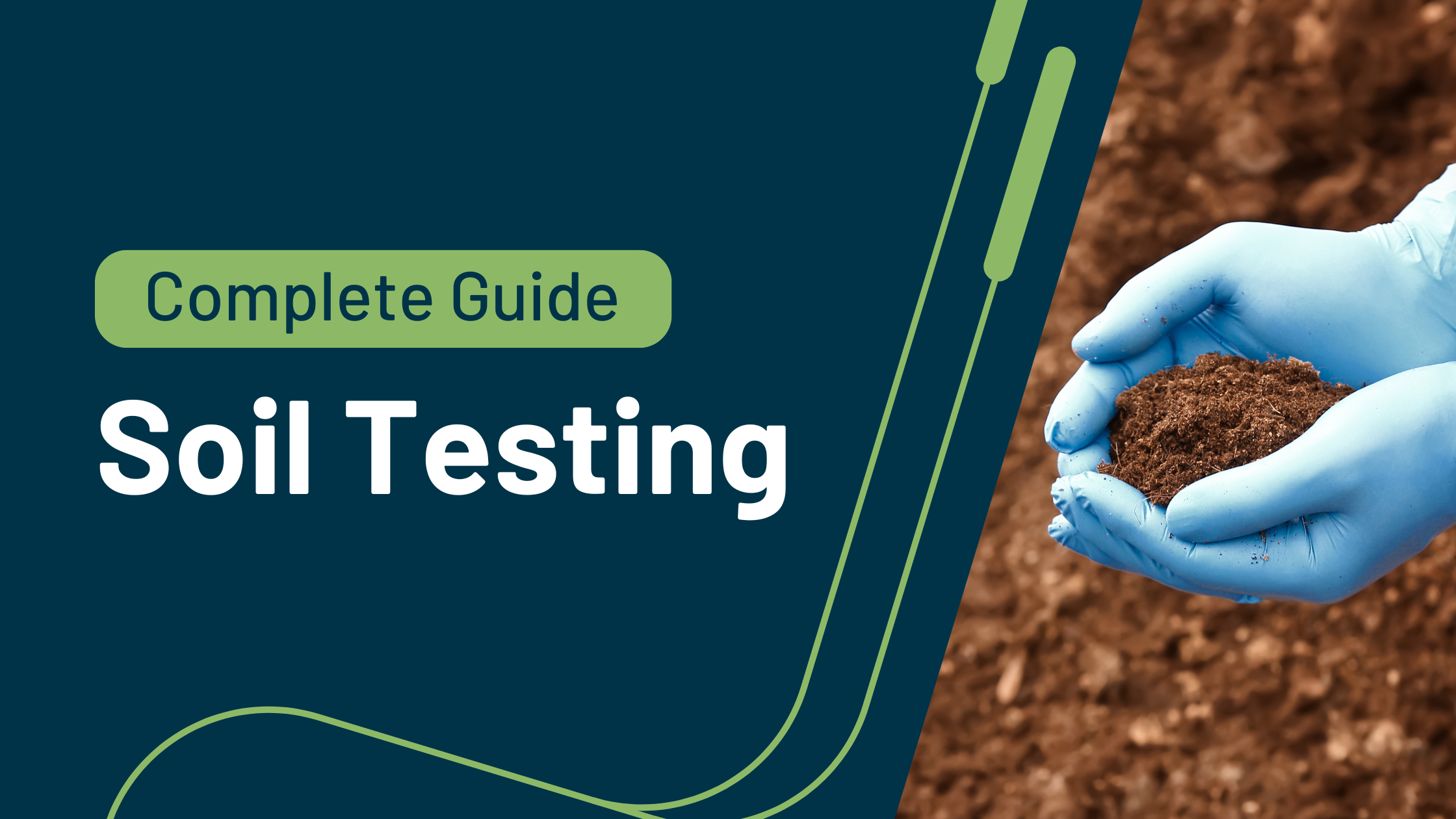
Soil quality shapes how land can be used — whether you’re managing a residential property with a lawn or garden, planning a construction project, or evaluating an outdoor workspace. The EPA and USDA both note soil can carry legacy materials from past activities such as construction, industrial use, demolition, agricultural practices, or waste disposal, as well as natural disasters. These materials can persist for long periods, making soil contamination a concern for both private property owners and organizations responsible for land management.
Below, we breakdown SimpleLab’s core soil test categories so you can select the most appropriate lab testing option for your site or project.
Table of Contents:
- Broad Screen Soil Test Kits
- Heavy Metals
- Asbestos, PFAS & Pesticides
- Radionuclides
- Fire-Related Risks
- Why Choose SimpleLab for Soil Testing
- Questions? Contact Us
Broad Screen Soil Test Kits
SimpleLab offers two test kits focused on the nutrient composition and overall health of the soil sampled: Essential and Advanced.
Essential Soil Test - 5A
$180
Advanced Soil Test - 16A
$334
Why they’re smart picks:
These test panels capture the fundamentals: soil chemistry, nutrients, and key indicators of soil quality. These include:
- pH (Essential & Advanced)
- Phosphorus (Essential & Advanced
- Potassium (Essential & Advanced)
- Nitrate (Essential & Advanced)
- Zinc (Advanced)
- Magnesium (Advanced)
- Specific conductivity (Advanced)
Test results help homeowners and gardeners understand soil fertility and salinity, as well as potential nutrient imbalances.
Certified laboratory testing helps ensure results are accurate to very low levels and actionable.
Who they’re right for:
- Home gardeners establishing or improving soil health
- Property owners troubleshooting plant stress or poor growth
- Anyone who needs a general assessment before considering more advanced testing
Learn more about the science behind soil testing:
Heavy Metals in Soil
Heavy metals are a group of naturally occurring metallic elements that are toxic at high concentrations. SimpleLab offers three different tests to analyze your soil’s metal content, from a basic RCRA-8 metal panel to a CAM-17 metal panel, and as well as one with extra low detection limits.
RCRA 8 Metals Soil Test
$162
Heavy Metals Soil Test
$183
CAM 17 Metals Soil Test
$190
Why they’re smart picks:
Metal contamination can occur from fill material, legacy industrial activity, paint residues, traffic emissions, and municipal waste sources. These easy-to-use kits screen for metals such as arsenic, antimony, lead, cadmium, chromium, vanadium, and others depending on the panel. The CAM-17 and RCRA-8 kits target widely referenced regulatory groups of hazardous metals.
Laboratory analysis is especially important because metals occur naturally in soil at varying concentrations. The Low-level CAM-17 test allows for measurement of trace amounts of the target metals, something that is achievable only through laboratory analysis.
Low Level CAM 17 Metals Soil Test
$243
Who they’re right for:
- Homeowners near older structures or high-traffic areas
- Gardeners using imported soil or amendments
- Buyers evaluating land before renovation or construction
- Anyone with concerns about historical industrial activities on or near a property
Asbestos, Pesticides (including Glyphosate) & PFAS in Soil
Asbestos, pesticides (which can refer to herbicides, fungicides, and insecticides) and PFAS have all been linked to negative health outcomes. While asbestos and pesticides (such as glyphosate, or “RoundUp”) have been known soil contaminants for a long time, studies have only recently shown PFAS, or “forever chemicals,” to be increasingly commonplace.
Why they’re smart picks:
These mail-to-lab kits target high-interest contaminants increasingly discussed in environmental guidance:
-
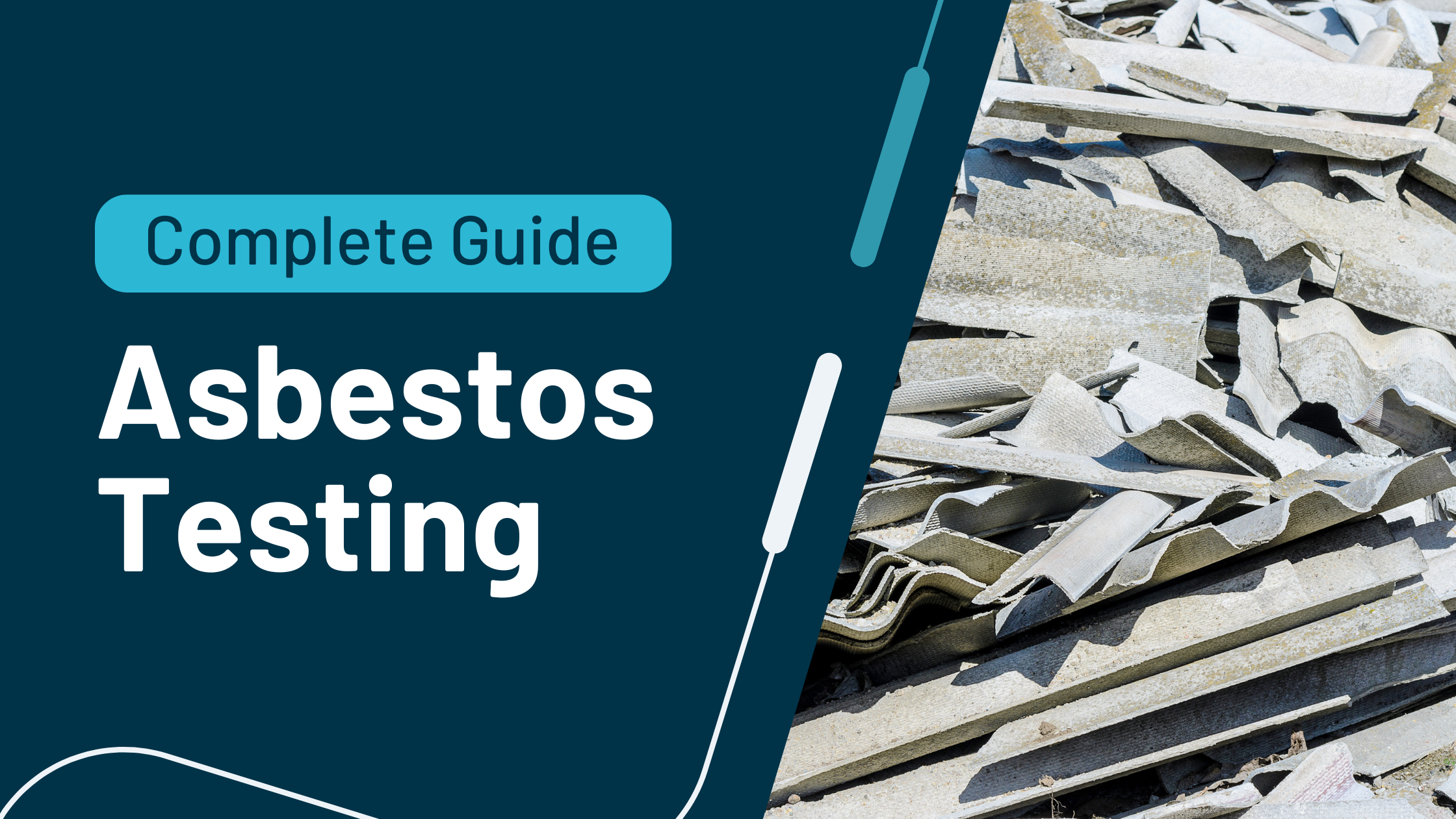
Asbestos: Soil can contain asbestos from demolished structures, old insulation, or contaminated fill, such as vermiculite, from a mine where asbestos was present. Laboratory microscopy is the only reliable detection method.
Asbestos Soil Test
$199
Helpful for sites of former structures or demolitions.
-
Pesticides & Herbicides (including Glyphosate): Agricultural and residential landscapes may retain residues from historical or current chemical use. Glyphosate, also known as “RoundUp, is one of the most widely used herbicides.
Pesticides and Herbicides Soil Test - 32A
$396
Glyphosate Soil Test
$314
Appropriate for locations previously exposed to herbicides, including lawns and gardens, or larger properties near agricultural zones
-
PFAS: PFAS compounds can enter soil from industrial waste, the use of PFAS-contaminated biosolids, or local firefighting activities.
EPA 1633 PFAS Soil Test
$754
Important for properties near industrial sites and airports. Increasingly useful for farms that use biosolids.
Remember, DIY methods cannot detect PFAS, asbestos, or pesticide residues. Laboratory analysis is required.
Radionuclides in Soil
Radioactive elements, or radionuclides, occur naturally in soil from the decay of elements such as uranium, thorium, and potassium. They can also be introduced by human activities like nuclear power use or accidents.
Radiologicals Soil Test
$501
Why it’s a smart pick:
This easy-to-use mail-to-lab Radiologicals soil test kit will measure gross alpha, gross beta, and gross gamma particles in one soil sample. According to the U.S. Geological Survey (USGS), background radiation in soils varies by geology, and testing may be appropriate near mining sites, industrial operations, or certain waste materials.[2]
Who it’s right for:
- Properties near mining, extraction, or industrial waste sites
- Areas where natural geology contains elevated radionuclides
- Due-diligence projects, environmental assessments, and land purchases
Fire-Related Soil Risks
Fires can leave behind chemical residues from burned building materials, vegetation, batteries, or household items. The EPA notes that combustion can generate dioxins, furans, and other persistent byproducts that settle into soil.[4] SimpleLab offers a Battery Fire Contamination Soil Test, a Dioxin (TCDD) Soil Test, and a Dioxins and Furans Soil Test.
Battery Fire Contamination Soil Test
$198
Dioxin (TCDD) Soil Test
$861
Dioxins and Furans Soil Test
$1422
Why they’re smart picks:
Fire events and the combustion of certain materials can release complex contaminants such as dioxins, furans, and assorted toxins from burned batteries.
For suspected battery fire contamination, SimpleLab offers a rush batter fire soil test option.
Laboratory testing is essential for these compounds, which occur at trace levels and require highly specialized methods. Testing is an indispensable part of remediation and cleanup efforts.
Who they’re right for:
- Properties affected by wildfires or structure fires
- Areas with burn pits or historical waste burning
- Sites exposed to battery fires or electronic waste
Why Choose SimpleLab for Soil Testing
Testing is one of the most cost-effective ways to understand your soil’s nutrient and/or contaminant profile before you invest in landscaping, development, compliance work, or environmental due diligence. It doesn't matter whether you're curious about your backyard grass or you're in charge of a whole farm or green space. Reliable laboratory analysis provides clarity that DIY strips and field kits cannot, allowing you to make informed decisions backed by data.
By making testing at accredited laboratories accessible, SimpleLab’s soil test kits are designed to support both individual users and professional teams.
Every kit provides:
- All necessary sampling materials
- Clear instructions for collecting soil safely and correctly
- Prepaid return shipping
- Analysis performed by accredited laboratories only
- Easy-to-read, secured digital results
- Direct support from environmental testing specialists
- Pro pricing and other benefits from for enterprises, all on one platform
Remember: DIY strips cannot measure soil contaminants reliably, especially heavy metals, asbestos, PFAS, pesticides, or radiologicals. Only laboratory testing provides defensible, data-driven results.
Explore our full suite of soil tests
Questions? Contact Us!
With SimpleLab, you get clarity, without delay or confusion. Our testing process means you don’t have to be a lab tech or environmental expert. We handle the logistics, you focus on the project at hand.

Reach out to our expert customer support team for a free consultation. We’re happy to help talk through any questions or concerns you might have to find the best setup for your workflow.
Sam brings expertise in water chemistry and environmental engineering to support scientific standards at SimpleLab. She earned Bachelor’s and Master’s degrees in Environmental Engineering and has experience in environmental analytical chemistry research.
About SimpleLab
SimpleLab combines world-class laboratory science with customer service to ensure testing your environment is simple, fast and factual. Everything we do is driven by data and supported by a team of experts ready to answer your questions.