Which Metals in Dust Test Kit Should You Choose?
Dust might seem harmless, but it can carry dangerous heavy metals that affect your health and indoor air quality. If you're wondering which metals-in-dust test kit is the best way to test a home or office, this product guide will help you choose between SimpleLab’s CAM 17 Metals, Lead Dust, and RCRA 8 Metals Surface Wipe Tests.
In this guide to SimpleLab’s CAM 17, Lead Dust, and RCRA 8 Wipe Test Kits, you’ll learn:
- What these tests are for
- Why you should use these tests
- How these tests work
- When you should test
- Frequently asked questions
What Are These Tests for
Each kit tests for a specific group of metals known to cause health risks:
- CAM 17 Metals Surface Wipe Test checks surfaces for 17 heavy metals originally listed in the now-retired California Administrative Manual (CAM), including lead, mercury, cadmium, arsenic, and more. It’s a broad panel ideal for identifying a wide range of metal contamination in household dust.

-
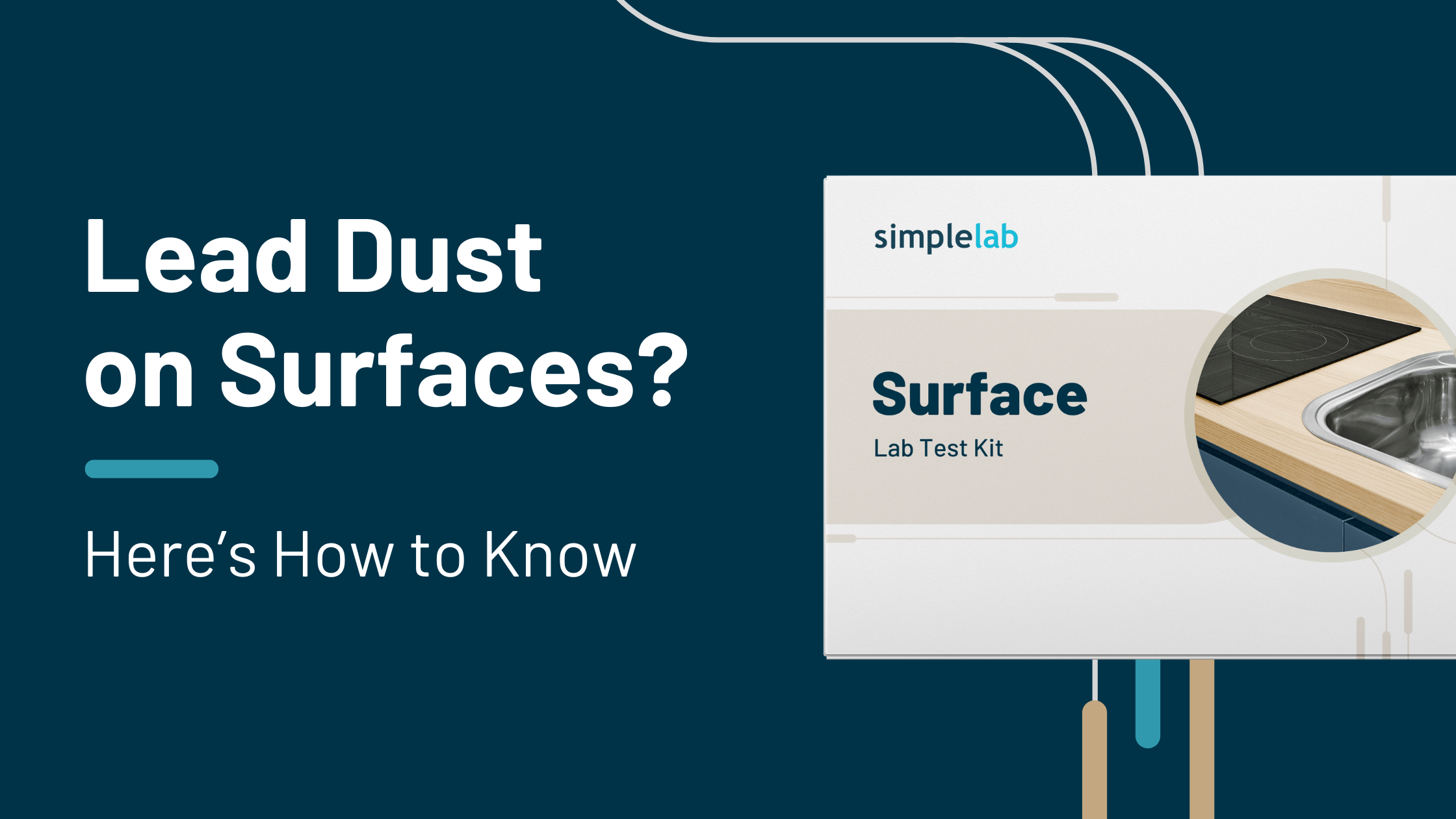
Lead Dust Surface Wipe Test is a focused test that detects lead dust on surfaces. Lead can be present in dust from old paint or recent construction, which can build up on surfaces like windowsills.
- RCRA 8 Metals Surface Wipe Test targets 8 heavy metals regulated by the EPA under the Resource Conservation and Recovery Act (RCRA) for identifying and managing hazardous waste. This list includes well-known toxins like lead, arsenic, and chromium. This test is ideal for those looking to focus on the heavy metals most clearly recognized for their toxicity and health risks.

Why Should You Use These Tests?
Metals in dust can cause serious health effects:
- Lead is especially dangerous to children and pregnant women. Long-term exposure can cause delays in physical and mental development in infants and children, and lead to high blood pressure and adverse kidney effects in both children and adults.
- Mercury and arsenic can affect the kidneys and the nervous system, and may increase cancer risk with long-term exposure.
- Multiple metals together may have combined effects, potentially increasing health risks even when individual metal levels are low.
Metals can settle into household dust from peeling paint, tracked-in soil, or nearby construction and industrial activity.
How Do These Tests Work?
Each kit comes with everything you need to collect a sample inside a home or office:
- You’ll use a surface wipe to gather dust from a flat area like a windowsill, stair tread, or floor.
- The sample is then sealed and mailed to a certified lab.
- You’ll receive a digital report within 15 business days of sending your sample, showing exactly what was found — and at what levels.
-
You’ll also have access to live support from experts to help interpret the results.
When Should You Test?
You should consider metals-in-dust testing if:
- You live in, or recently bought, an older home (especially built before 1978)
- You’ve done or plan to do renovation or demolition work
- There’s visible chipping or peeling paint
- You live near industrial areas, highways, or former dumping grounds
- You have young children or family members with unexplained symptoms
- You want to verify the effectiveness of a cleanup or abatement effort
Explore the test kits here:
CAM 17 Metals Surface Wipe Test
$242
Lead Dust Surface Wipe Test
$61
RCRA 8 Metals Surface Wipe Test
$218
Frequently Asked Questions
What are the benefits of testing metals in a laboratory vs DIY test strips?
Certified lab testing delivers accurate, reliable results. Unlike DIY kits, which can miss low-level contamination or produce false positives, lab methods detect even trace amounts of heavy metals.
Which test is best if I suspect lead in my home?
Go with the Lead Dust Surface Wipe Test if you aren’t concerned about any other metals. It’s specifically designed to detect lead from paint and dust, which is common in homes built before 1978.
Can I use these tests on floors, windowsills, or furniture?
Yes. All three kits include surface wipes designed to collect dust from flat surfaces like floors, windowsills, furniture, and stairs.
How many areas can I test with one kit?
Each kit is designed for one surface sample. For more areas, order a 4-pack or multiple kits.
How do CAM 17 and RCRA 8 differ?
CAM 17 tests for a broader range of contaminants — 17 metals total:
- Antimony
- Arsenic
- Barium
- Beryllium
- Cadmium
- Chromium
- Cobalt
- Copper
- Lead
- Mercury
- Molybdenum
- Nickel
- Selenium
- Silver
- Thallium
- Vanadium
- Zinc
RCRA 8 tests only the 8 metals the EPA considers most hazardous under federal waste regulations. They are:
- Arsenic
- Barium
- Cadmium
- Chromium
- Lead
- Mercury
- Selenium
- Silver
Are these tests safe to use around kids and pets?
Yes, the kits are safe for home use. Just keep sampling materials out of reach until used.
Questions? Contact Us
SimpleLab makes professional dust testing accessible where and when you need it.

If you have any questions about testing with SimpleLab, reach out to our customer support team any time.
Sam brings expertise in water chemistry and environmental engineering to support scientific standards at SimpleLab. She earned Bachelor’s and Master’s degrees in Environmental Engineering and has experience in environmental analytical chemistry research.
About SimpleLab
SimpleLab combines world-class laboratory science with customer service to ensure testing your environment is simple, fast and factual. Everything we do is driven by data and supported by a team of experts ready to answer your questions.